



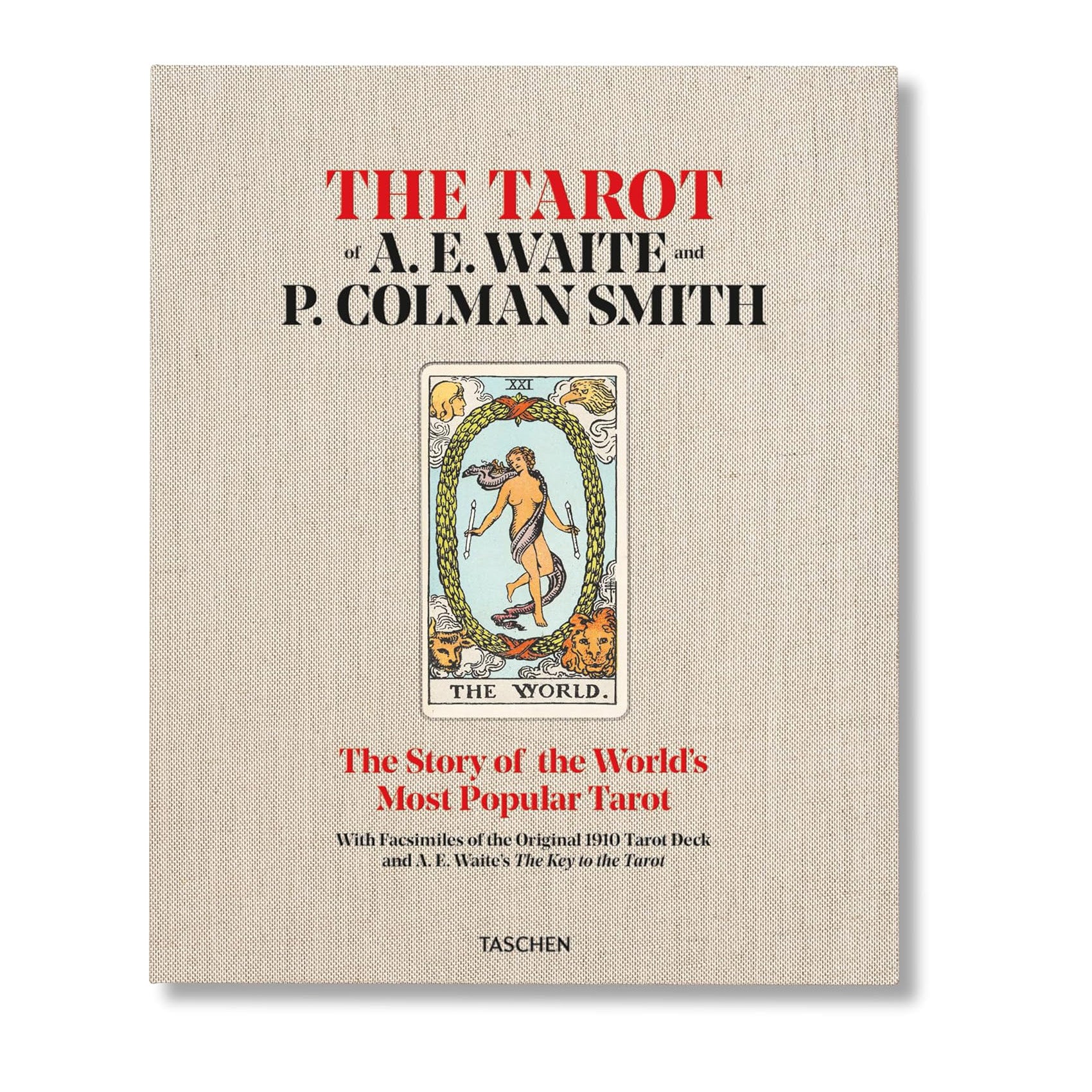
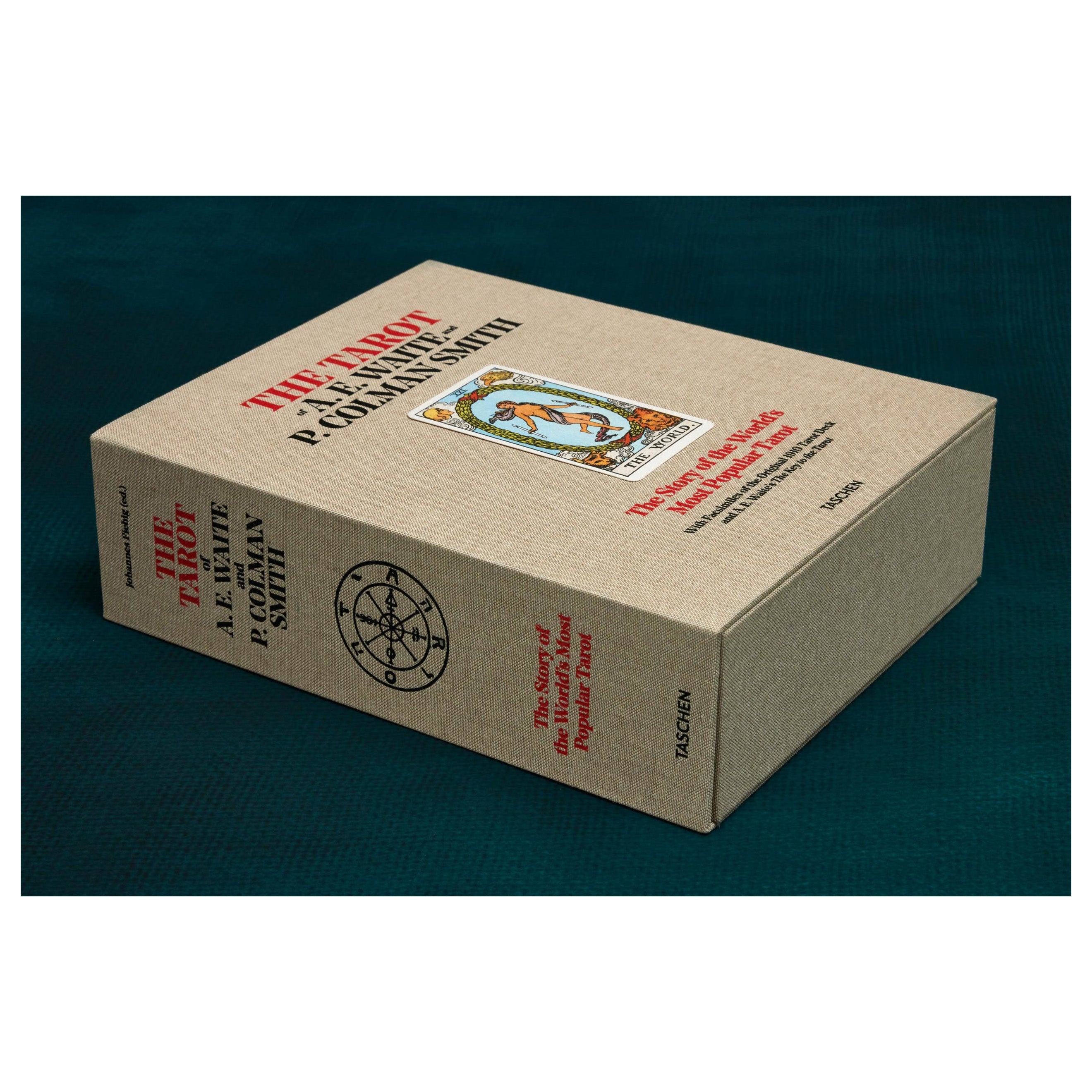
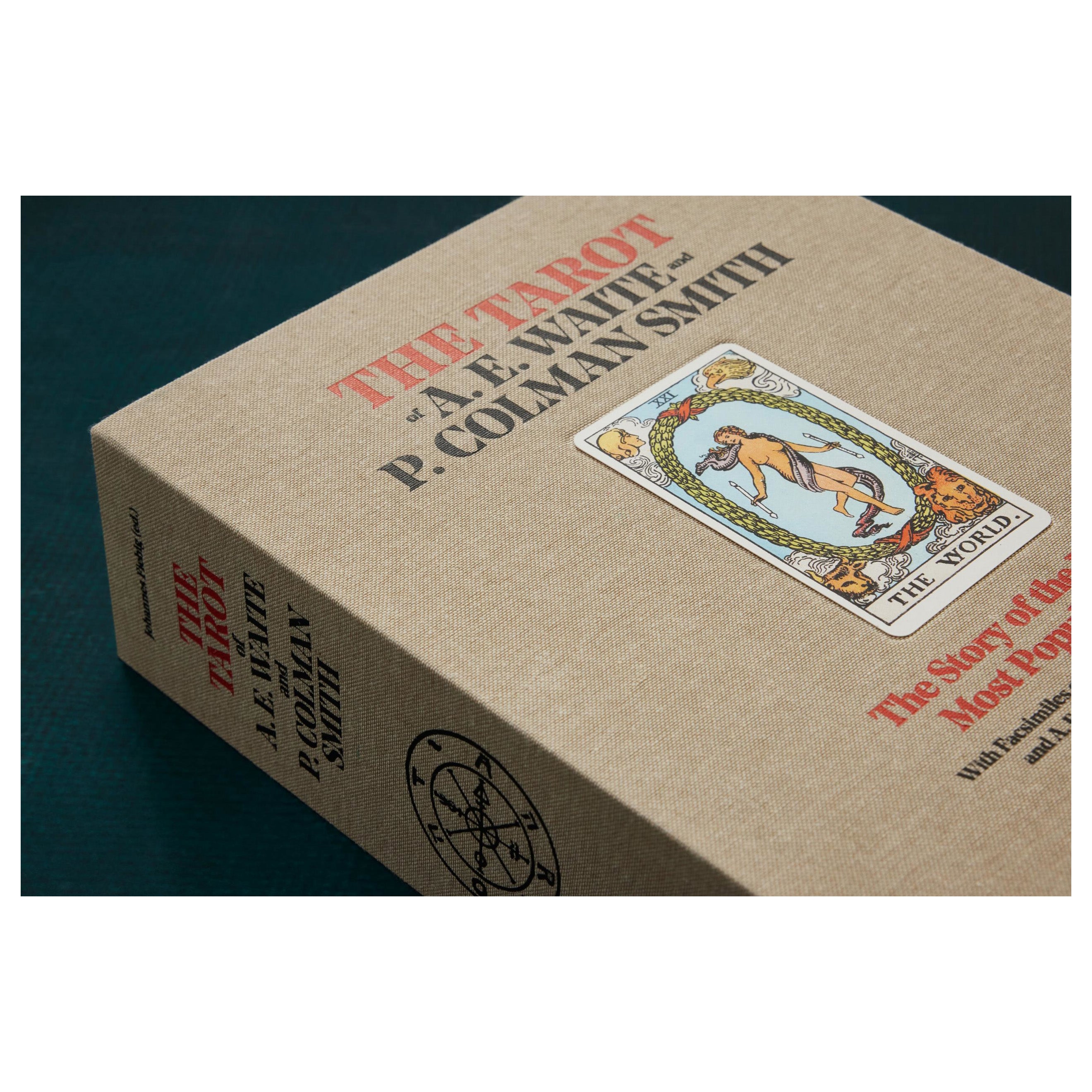
The Tarot of A. E. Waite and P. Colman Smith

Only 3 units left
Sale price$125.00

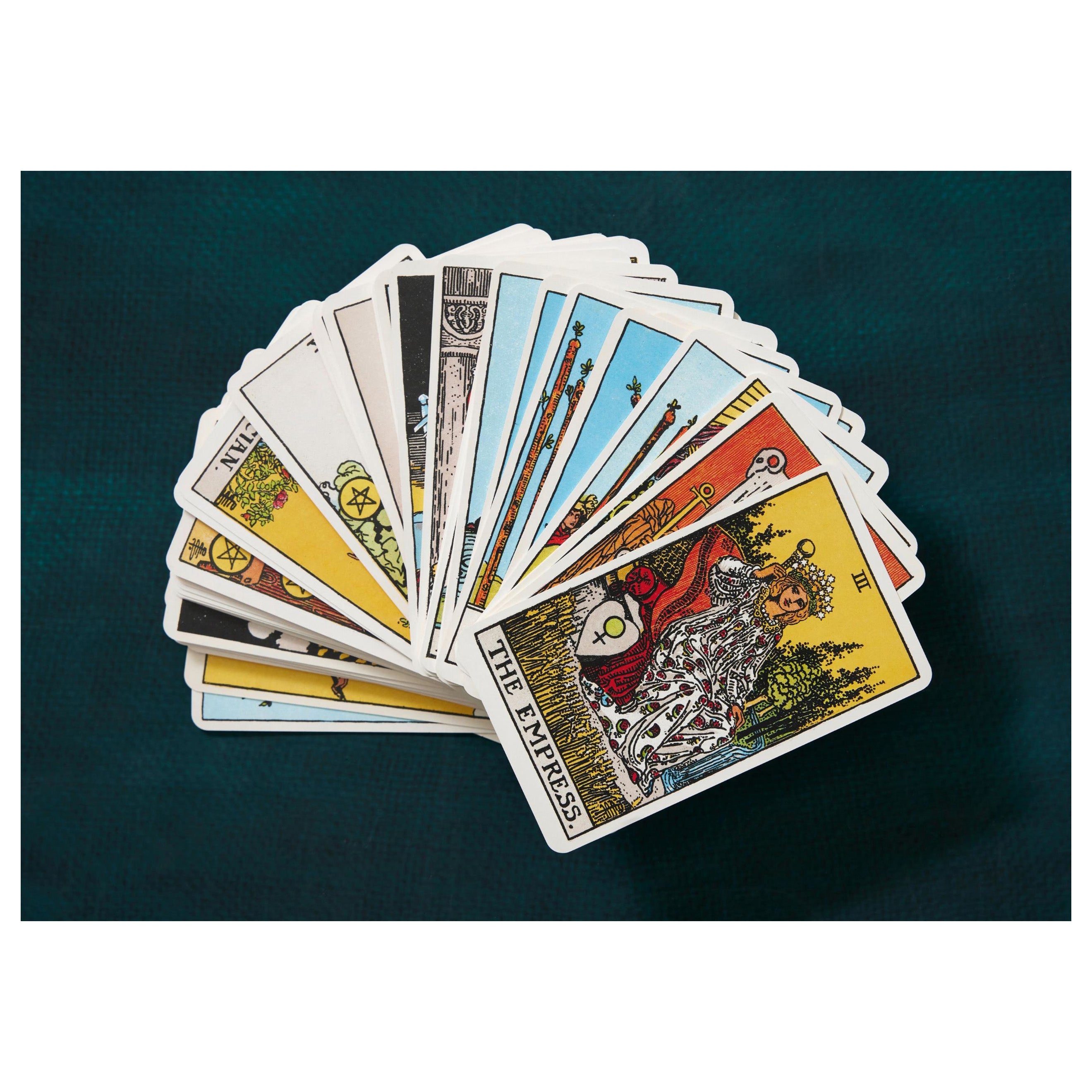
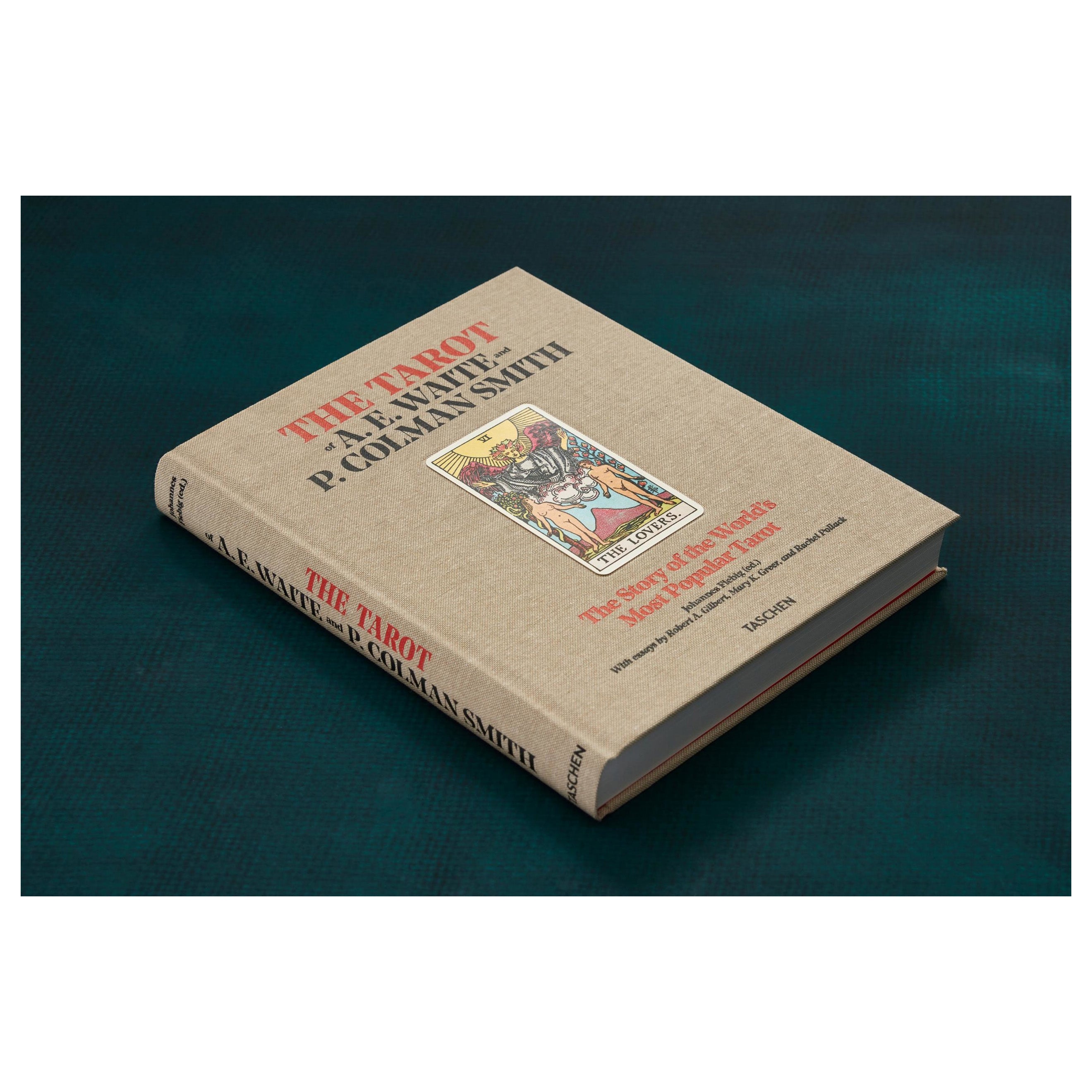
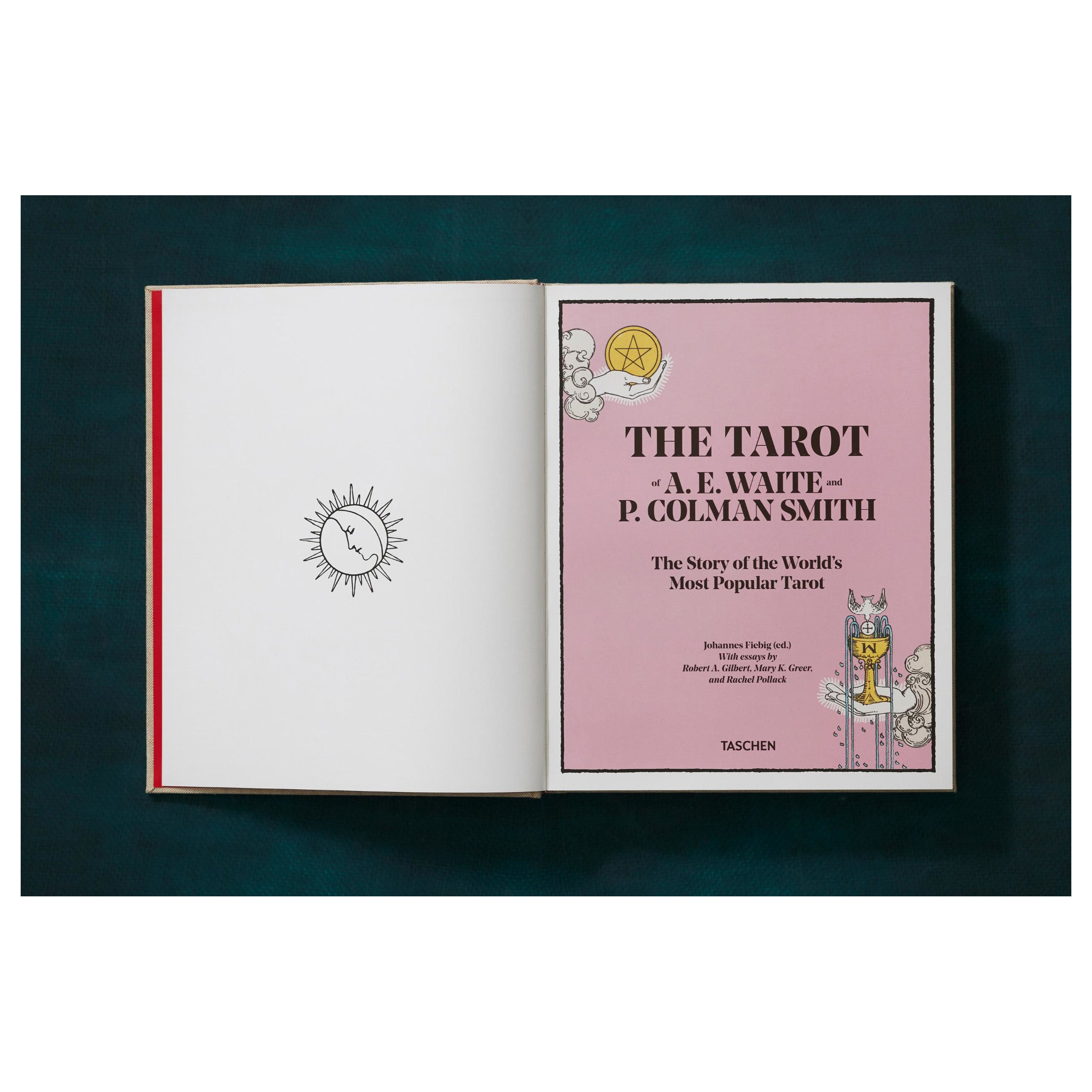
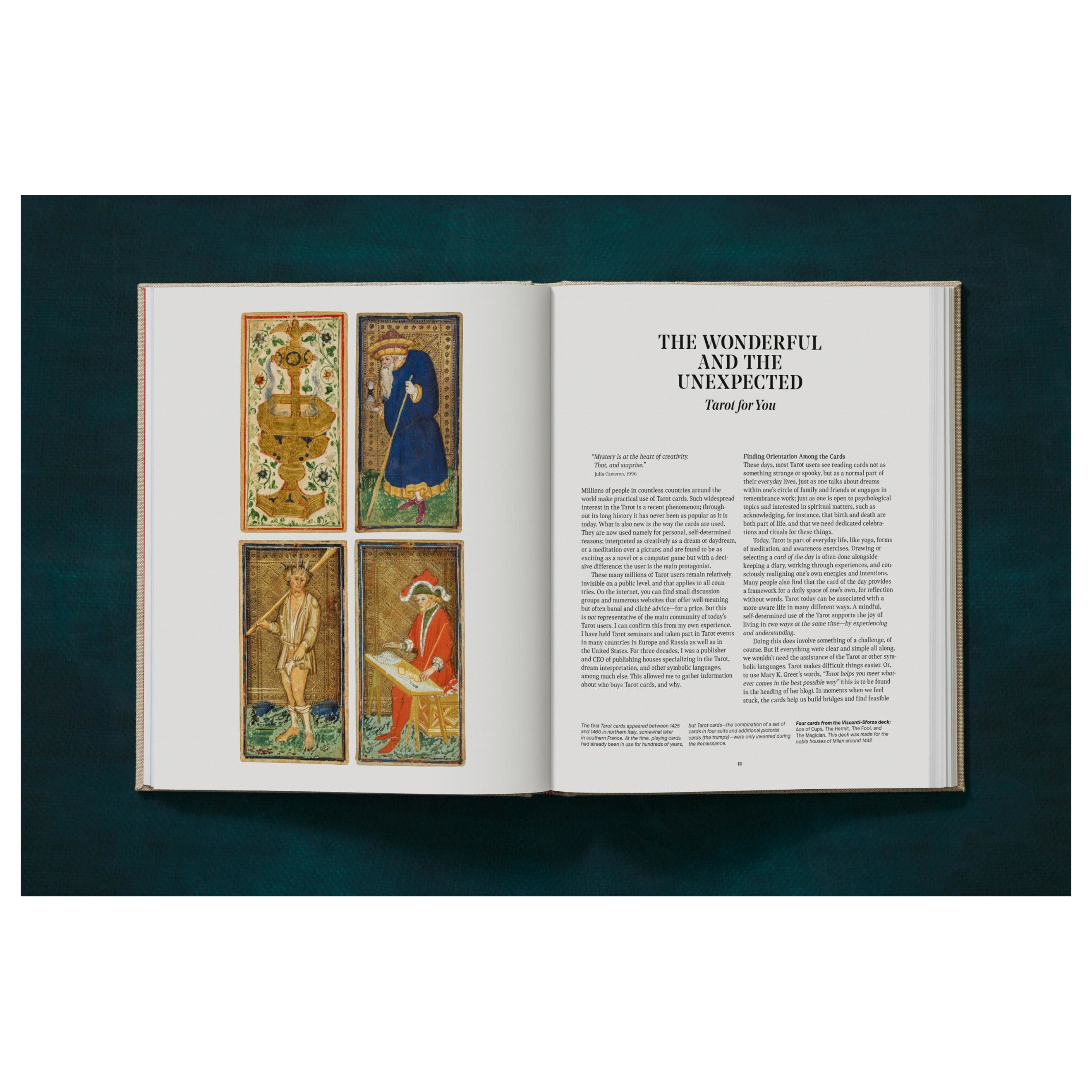
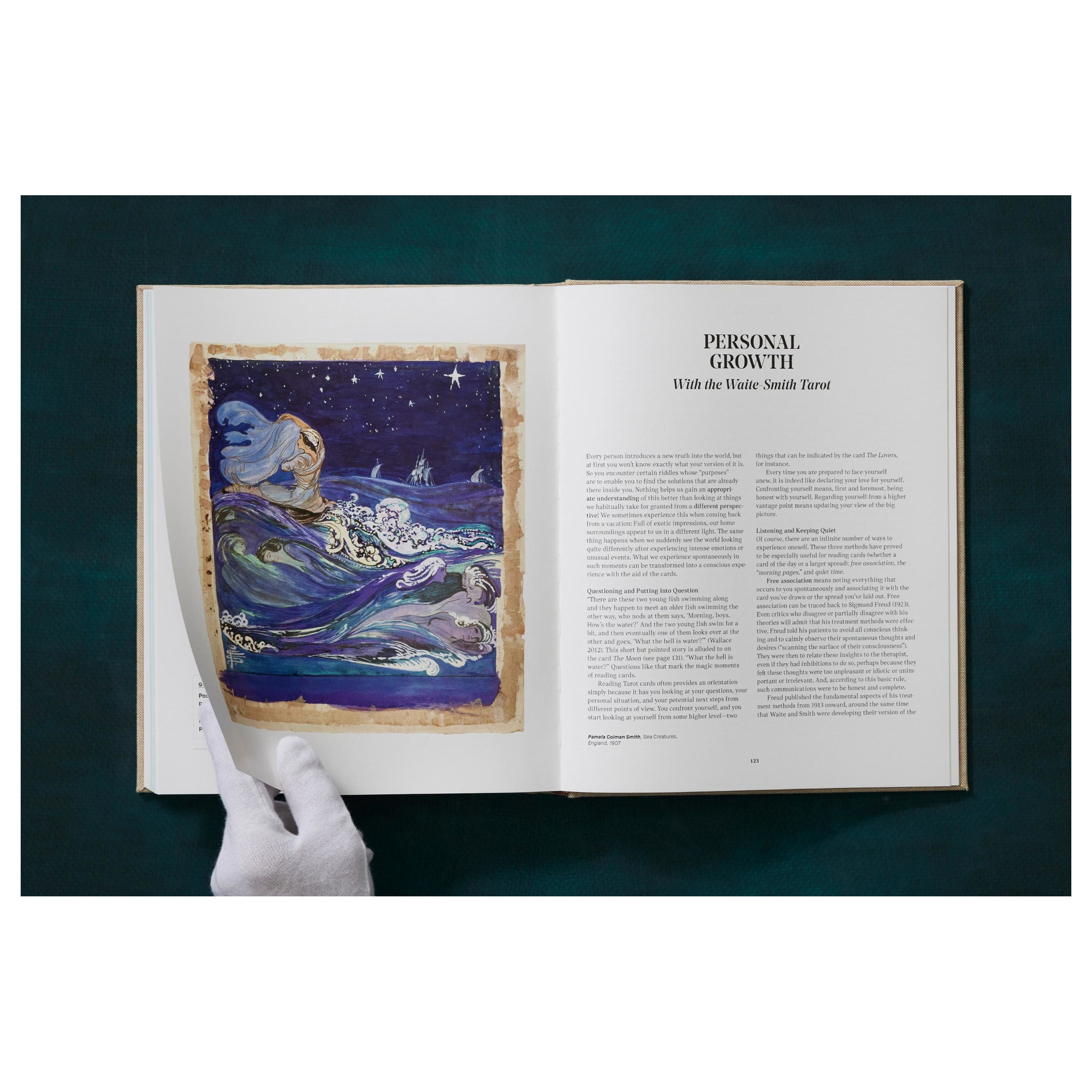
Arthur E. Waite, a modern mystic, created together with Pamela Colman Smith the most influential Tarot deck. With a selection of more than 800 images and texts, the pioneer of Tarot history, Johannes Fiebig contextualizes this unique deck.

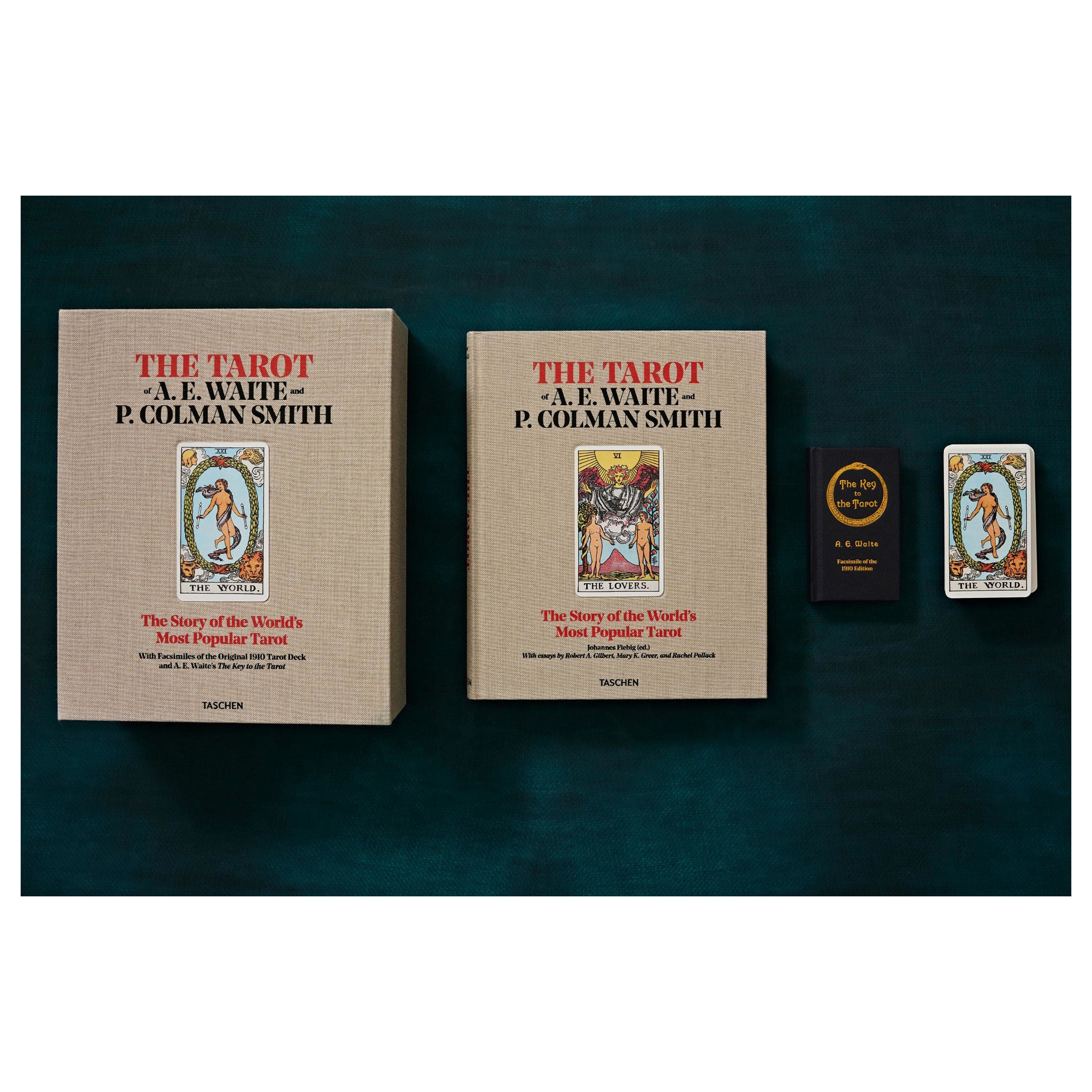
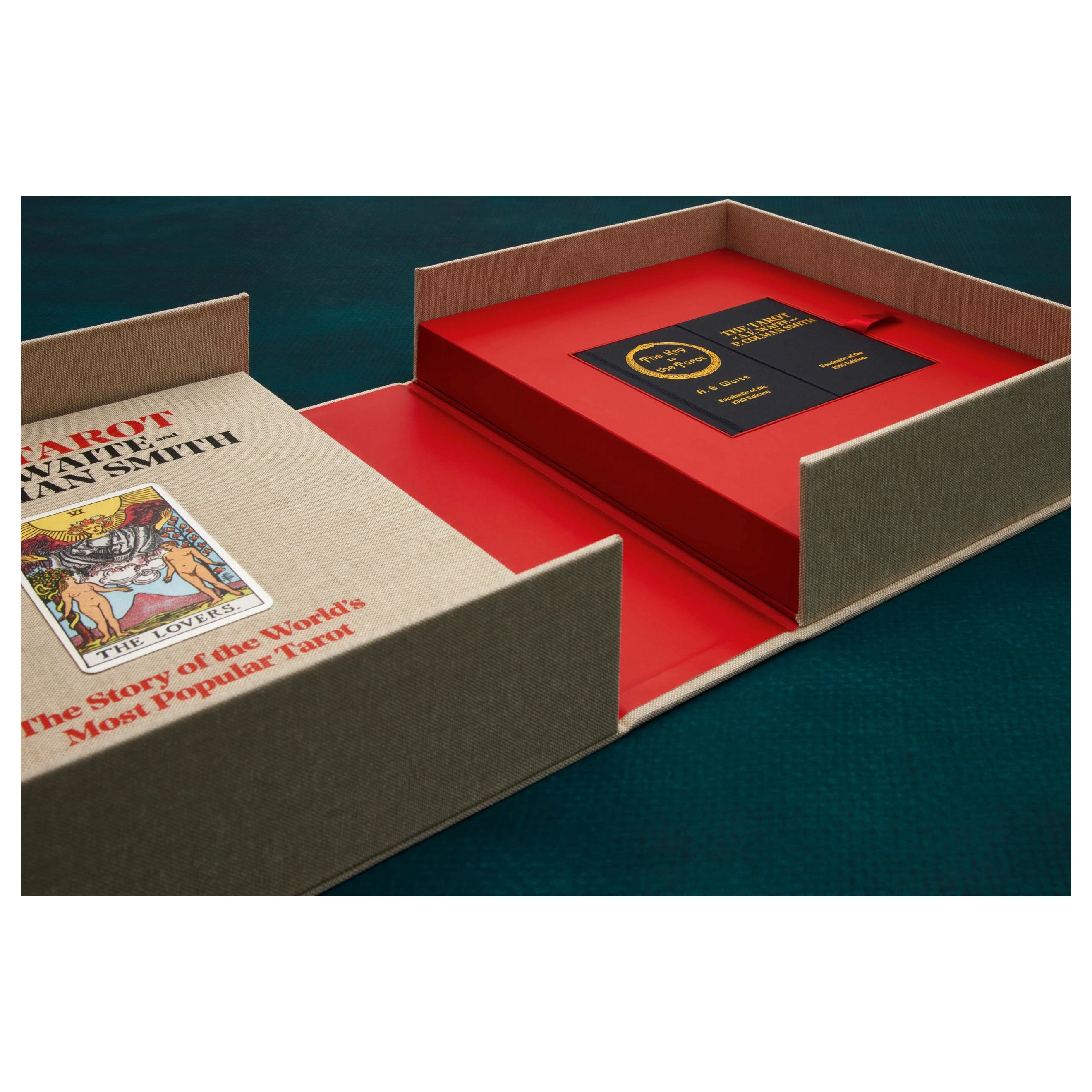
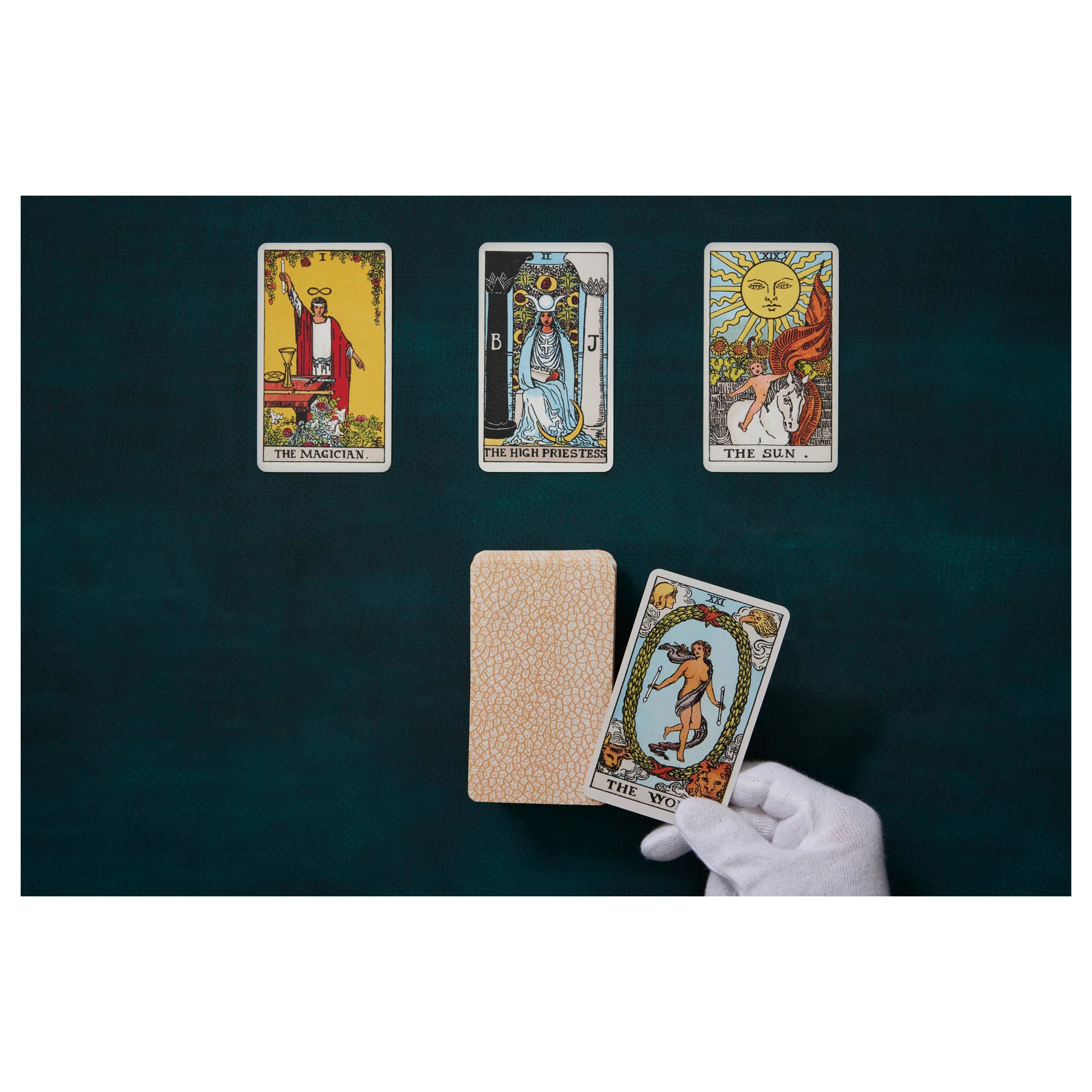
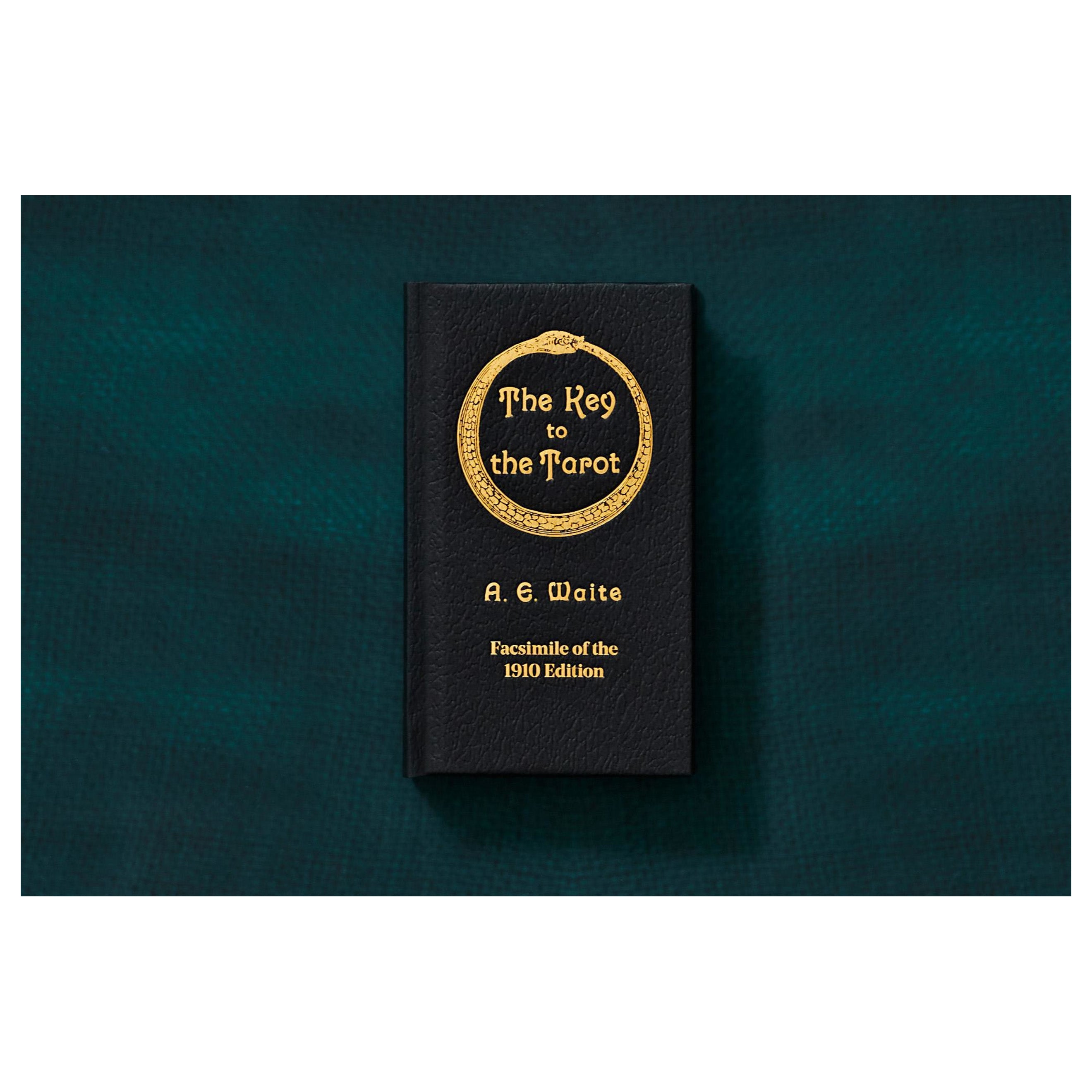
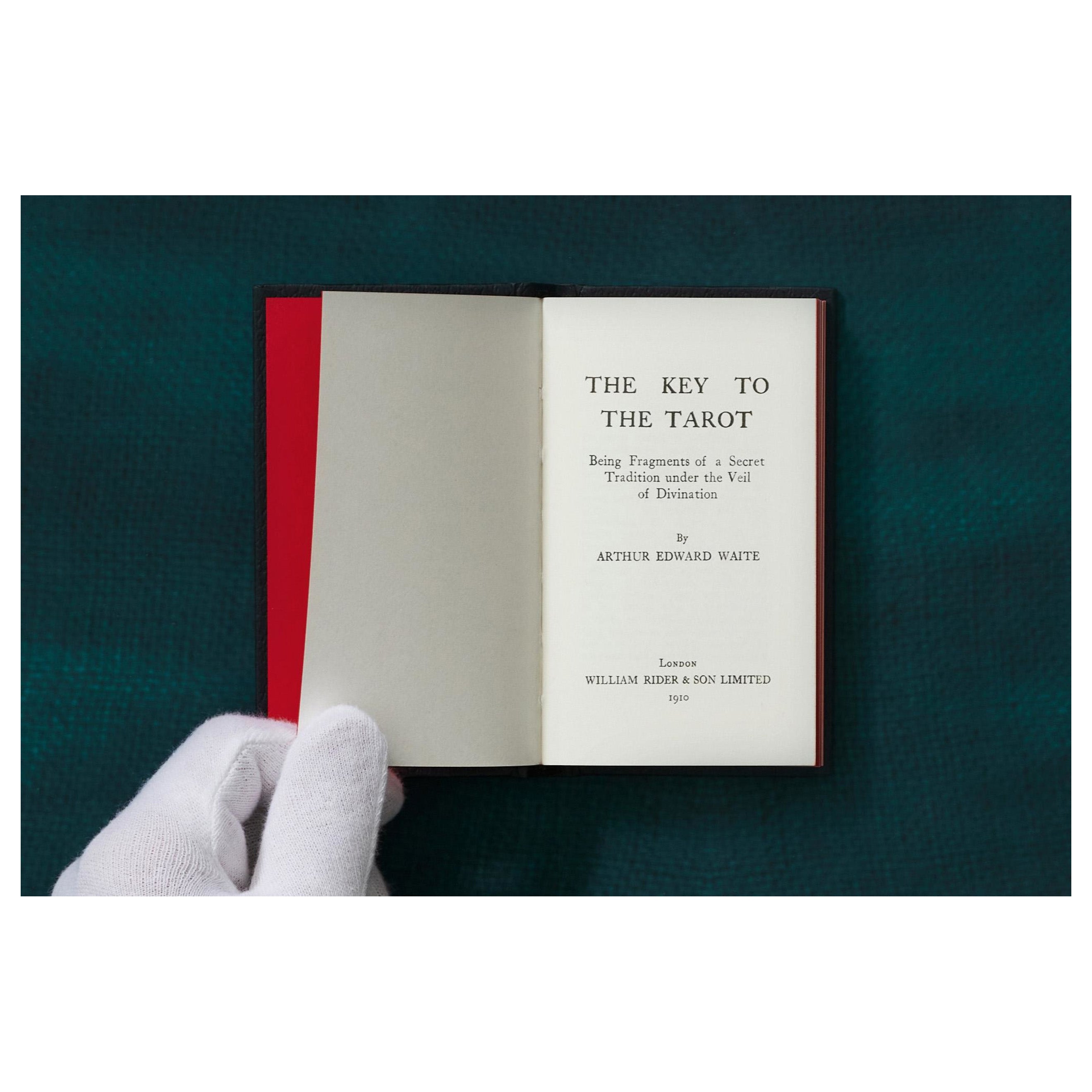
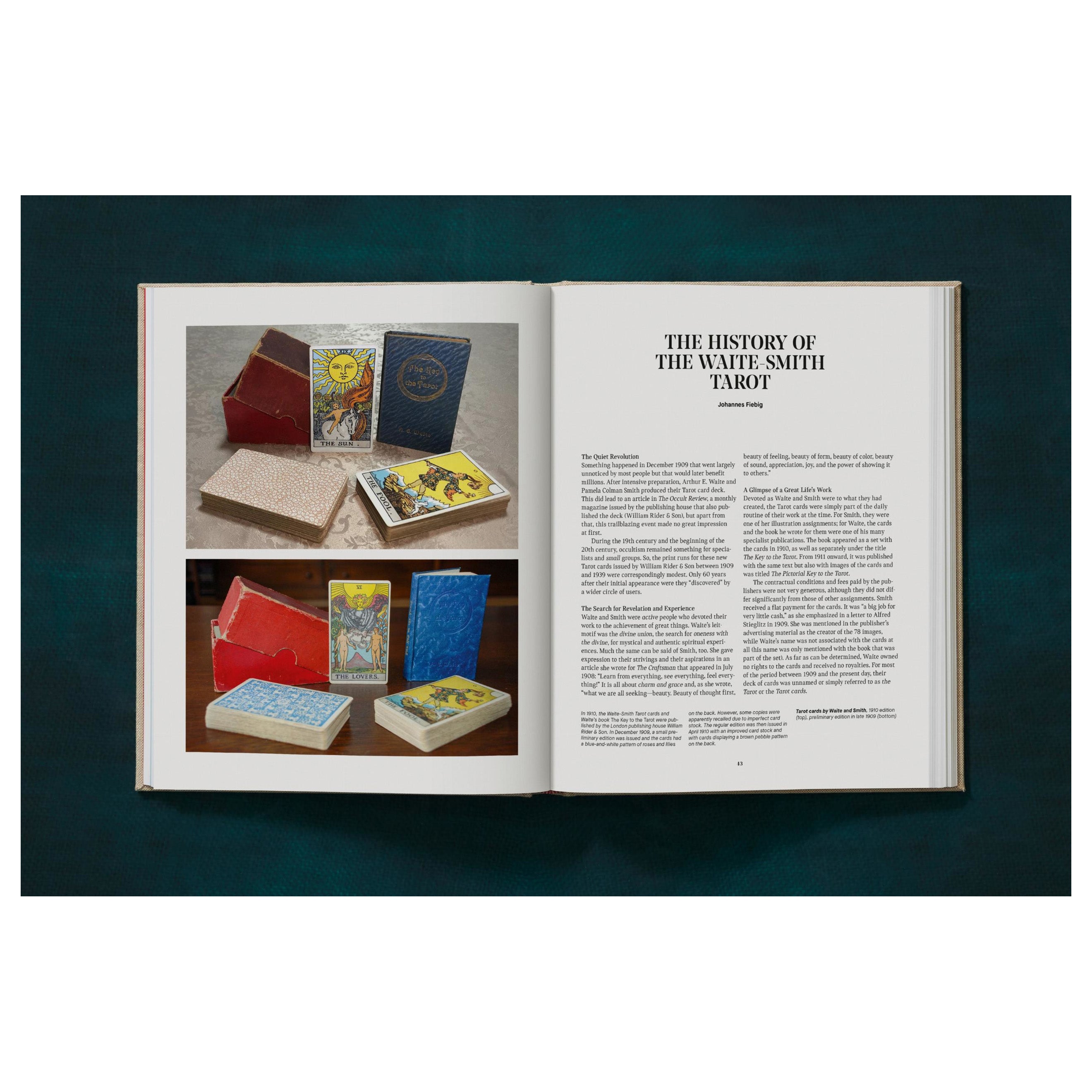
The kit includes facsimiles of the 1910 original edition of the cards and of A. E. Waite’s Key to the Tarot. 

Authenticity You Can Trust

Authenticity You Can Trust

All of our products are genuine. No replicas, no knockoffs. We work with independent artists and publishers, so your purchase directly supports their creative art. As a small business, we handpick every item to ensure it's meaningful, beautifully made, and truly worth having.

Artist

Arthur Edward Waite and Pamela Colman Smith

Cards

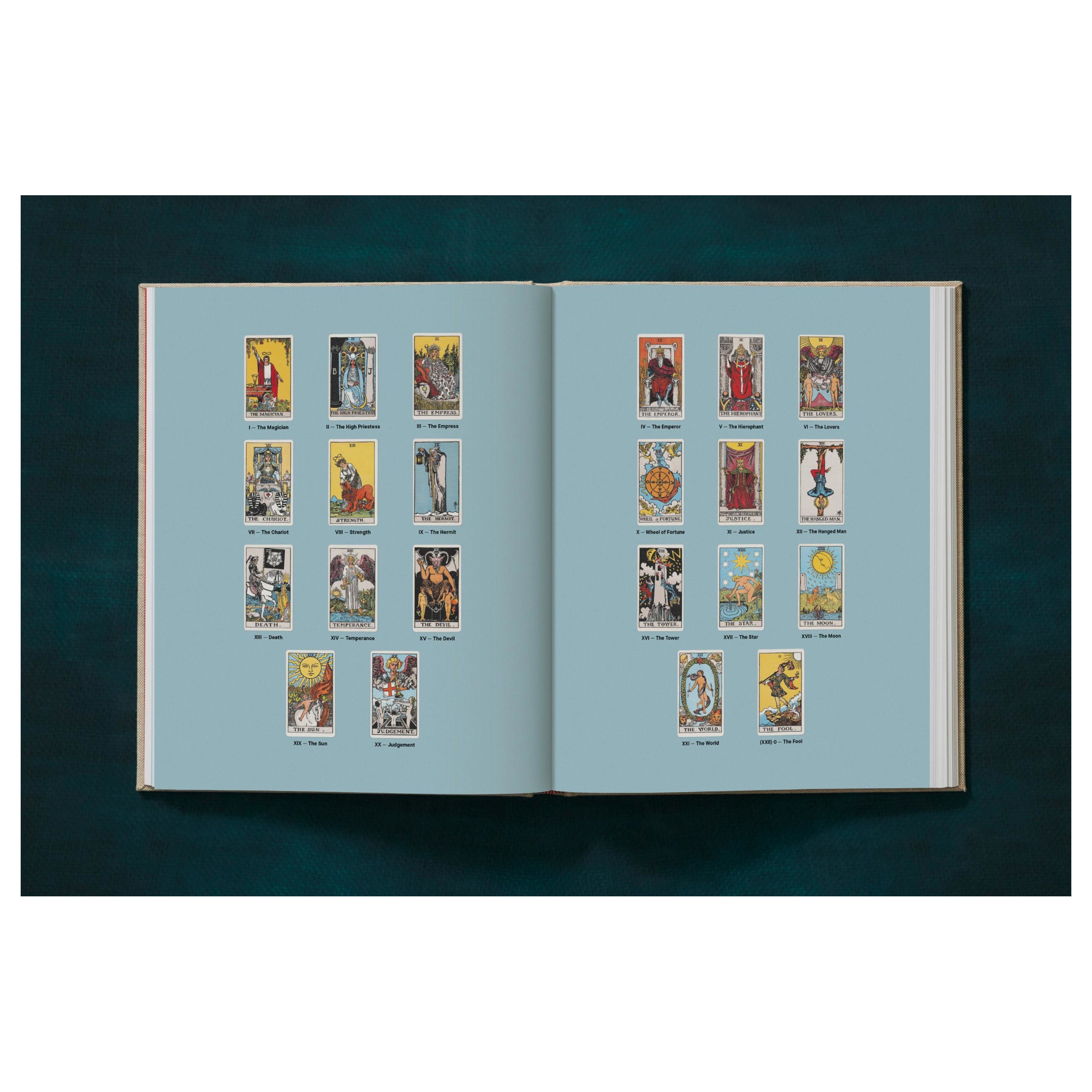
78

Guidebook

Included

Format

Hardbound

Pages

444
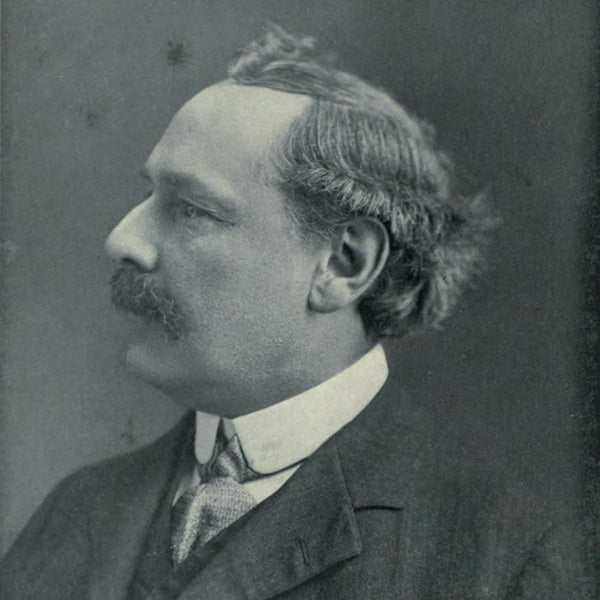
Arthur Edward Waite
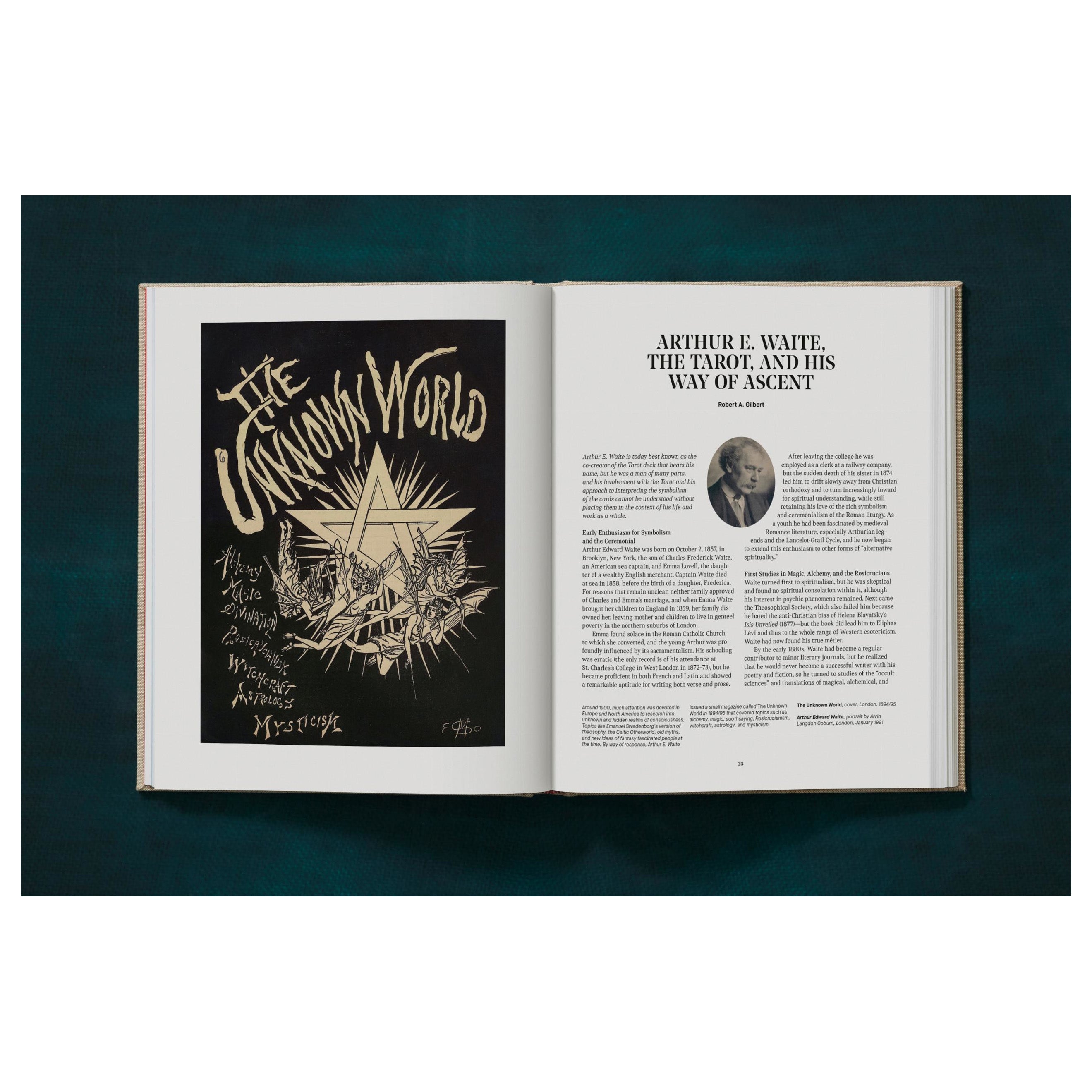
Arthur Edward Waite was born in America in 1857. He was raised and educated as a Catholic in England. Beginning at the age of 21, he pursued research and writing on psychical and esoteric matters. Soon after joining the Hermetic Order of the Golden Dawn, he became the Grand Master and redirected the focus of the order from magic to mysticism.

The Golden Order, whose structural hierarchy was based on the Kabbalah, is considered the single most significant 20th-century influence on the occult. Arthur was a prolific author of occult texts, works on the Holy Grail, and the body of mystical knowledge, which comprises the basis of modern Tarot. He is best known as the co-creator of the Rider-Waite-Smith Tarot deck and author of its companion volume, The Pictorial Key to the Tarot, first published in 1910.

Pamela Colman Smith

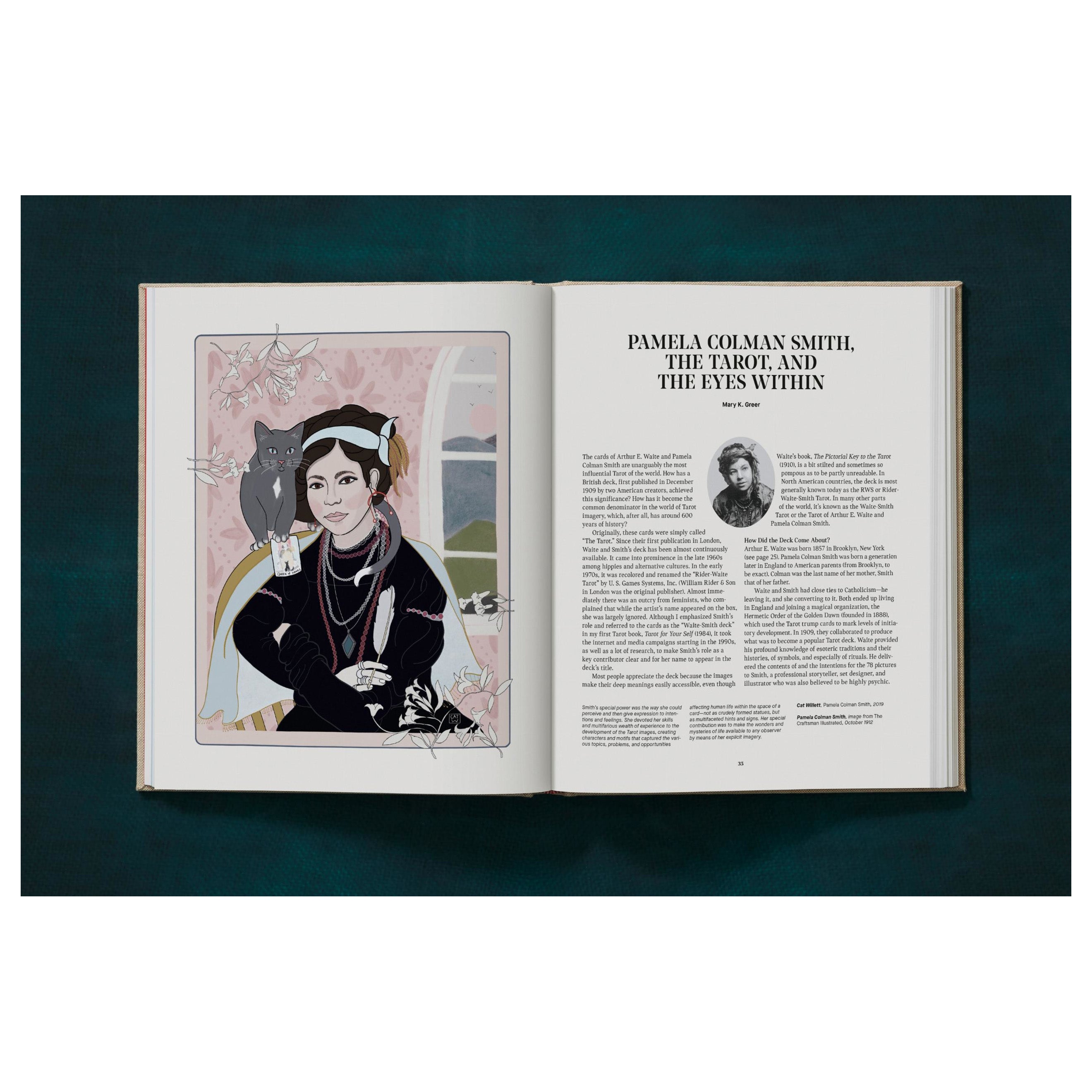
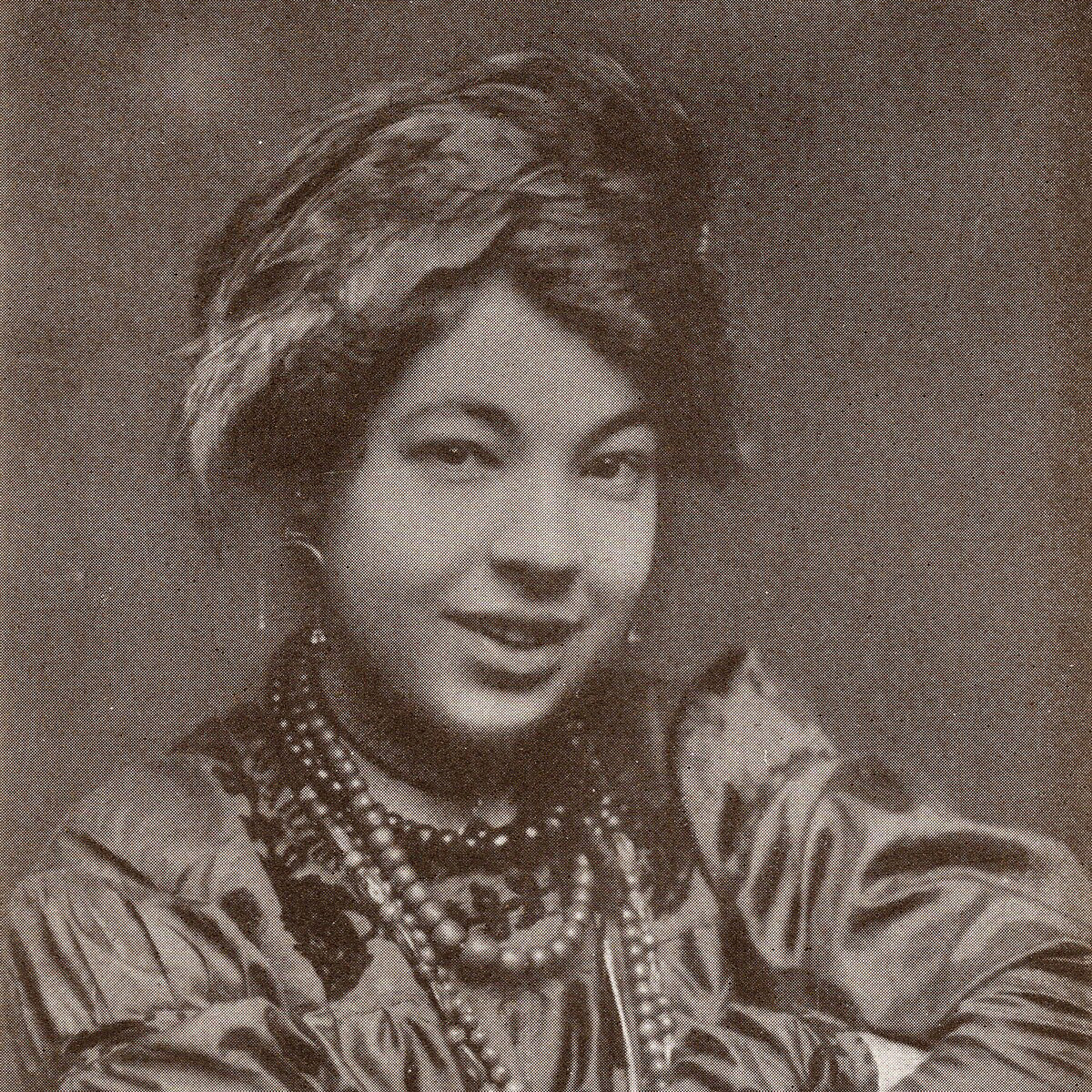
Pamela Colman Smith was born to American parents on February 16, 1878, in Middlesex, England. She spent her childhood years between London, New York, and Kingston, Jamaica. During her teens, she traveled throughout England with the theatre company of Ellen Terry and Henry Irving. Thereafter, she began formal art training at Pratt Institute of Brooklyn, graduating in 1897.

Pamela returned to England, where she became a theatrical designer for miniature theatre and an illustrator, mainly of books, pamphlets, and posters. Around 1903, she joined the Order of the Golden Dawn. In 1909, under the guidance of Arthur Edward Waite, she undertook a series of seventy-eight allegorical paintings described by Waite as a rectified tarot pack. The designs, published in the same year by William Rider and Son, exemplify Pamela's mysticism, ritual, imagination, fantasy, and deep emotions.

Additional Information

Doors into our uncharted depths

The Story of the World's Most Popular Tarot

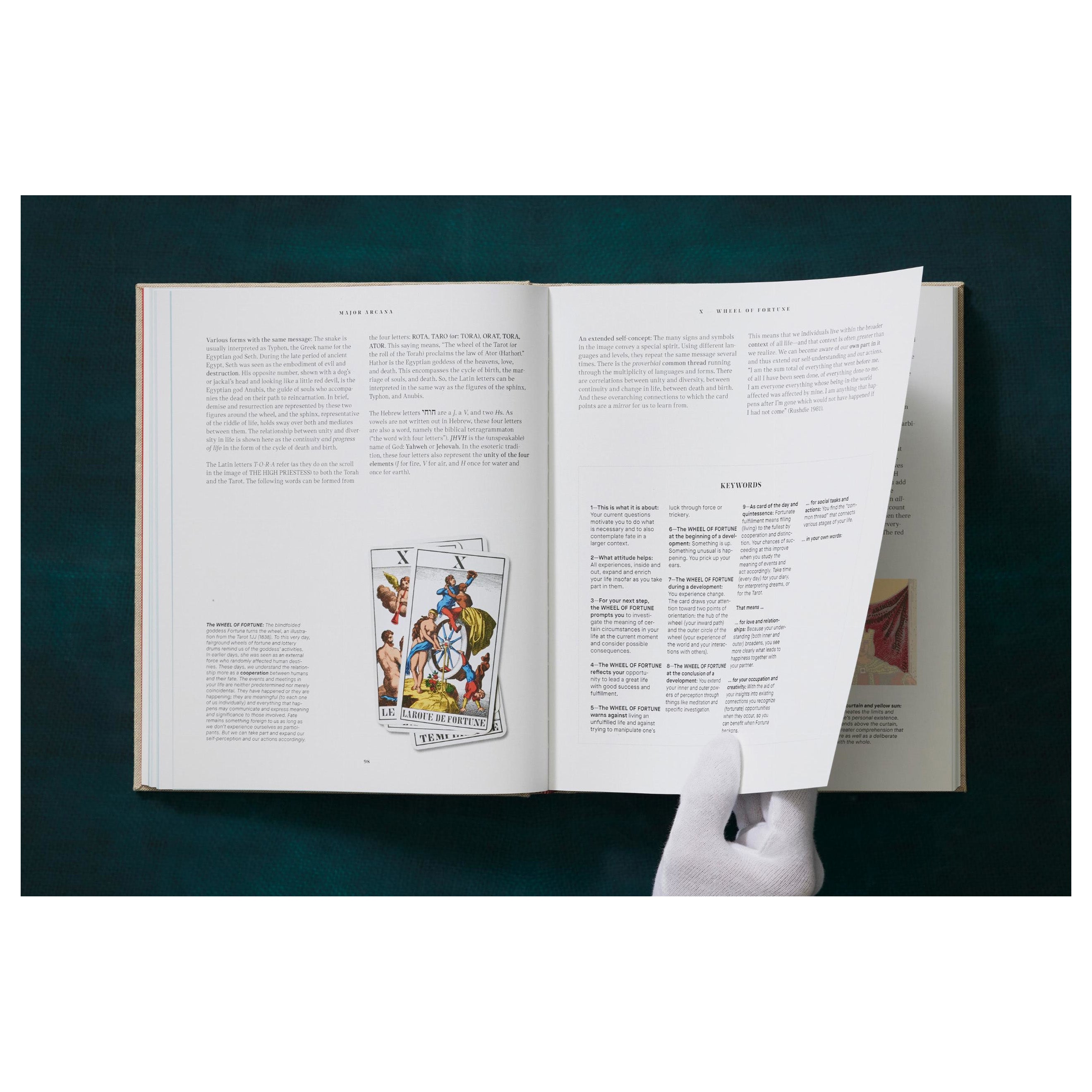
A unique edition of bright texts, brilliant images, and historic reprints, this kit provides everything that both beginners and advanced Tarot users might need and want to read cards for themselves and to study and experience this cultural gem in all its beauty and significance.

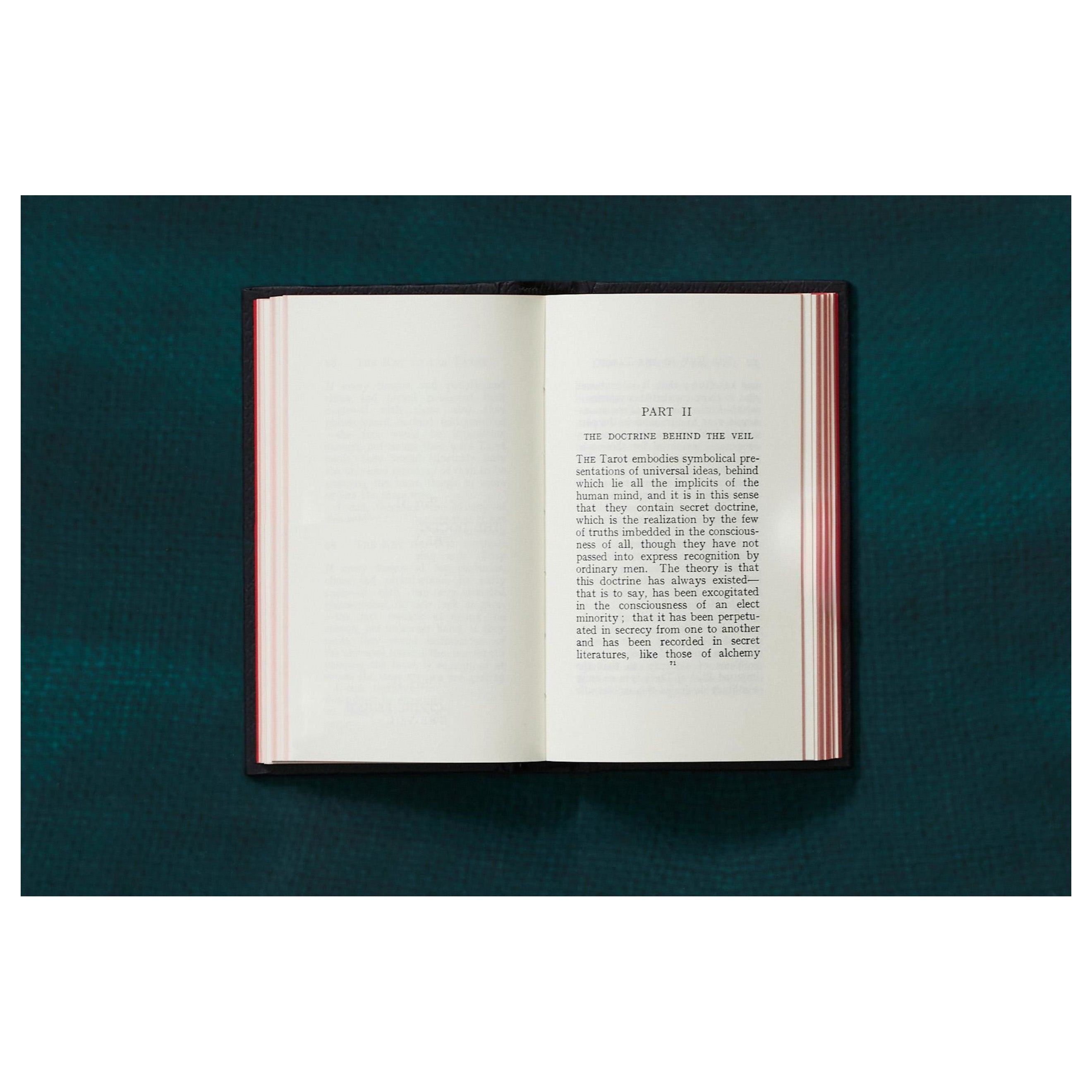
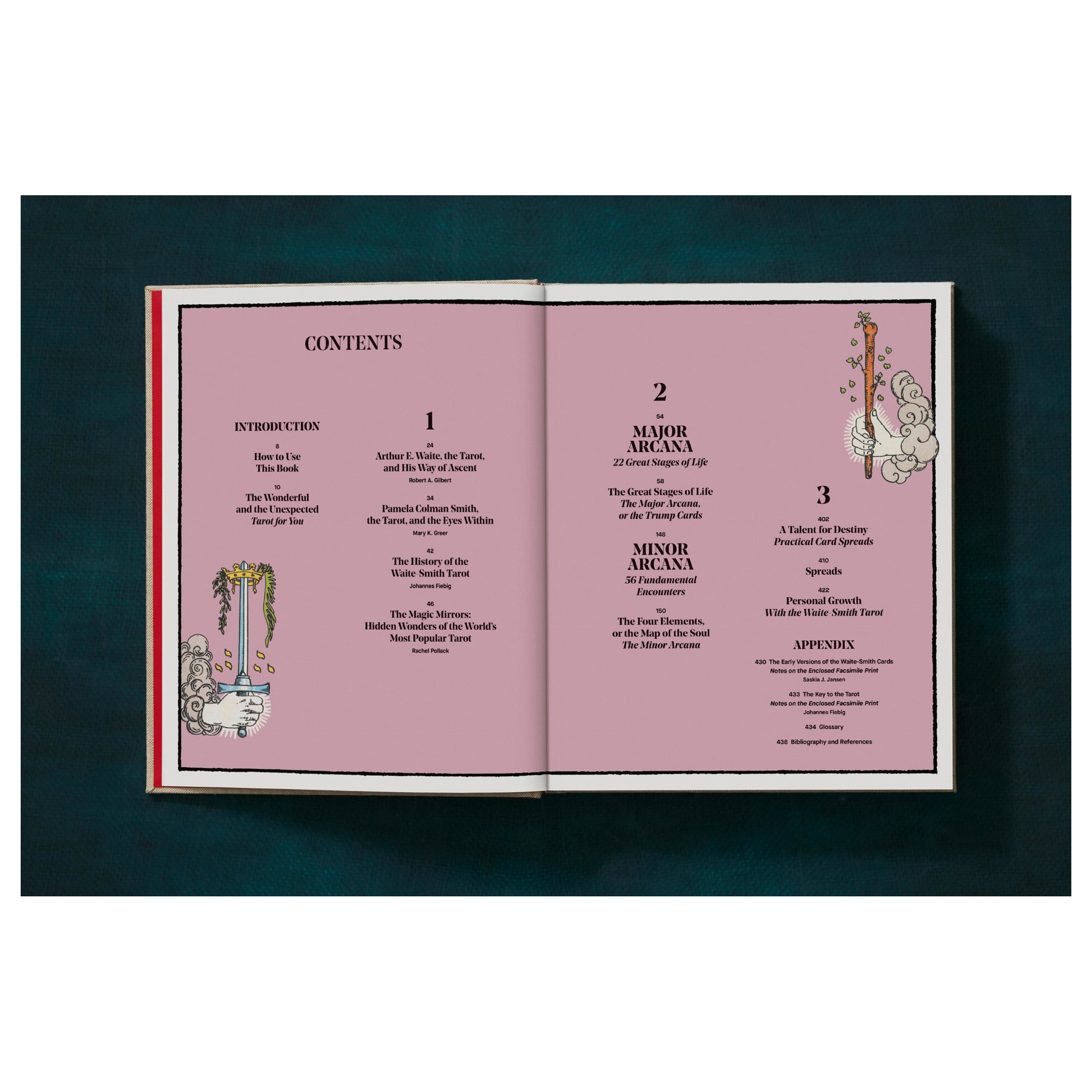
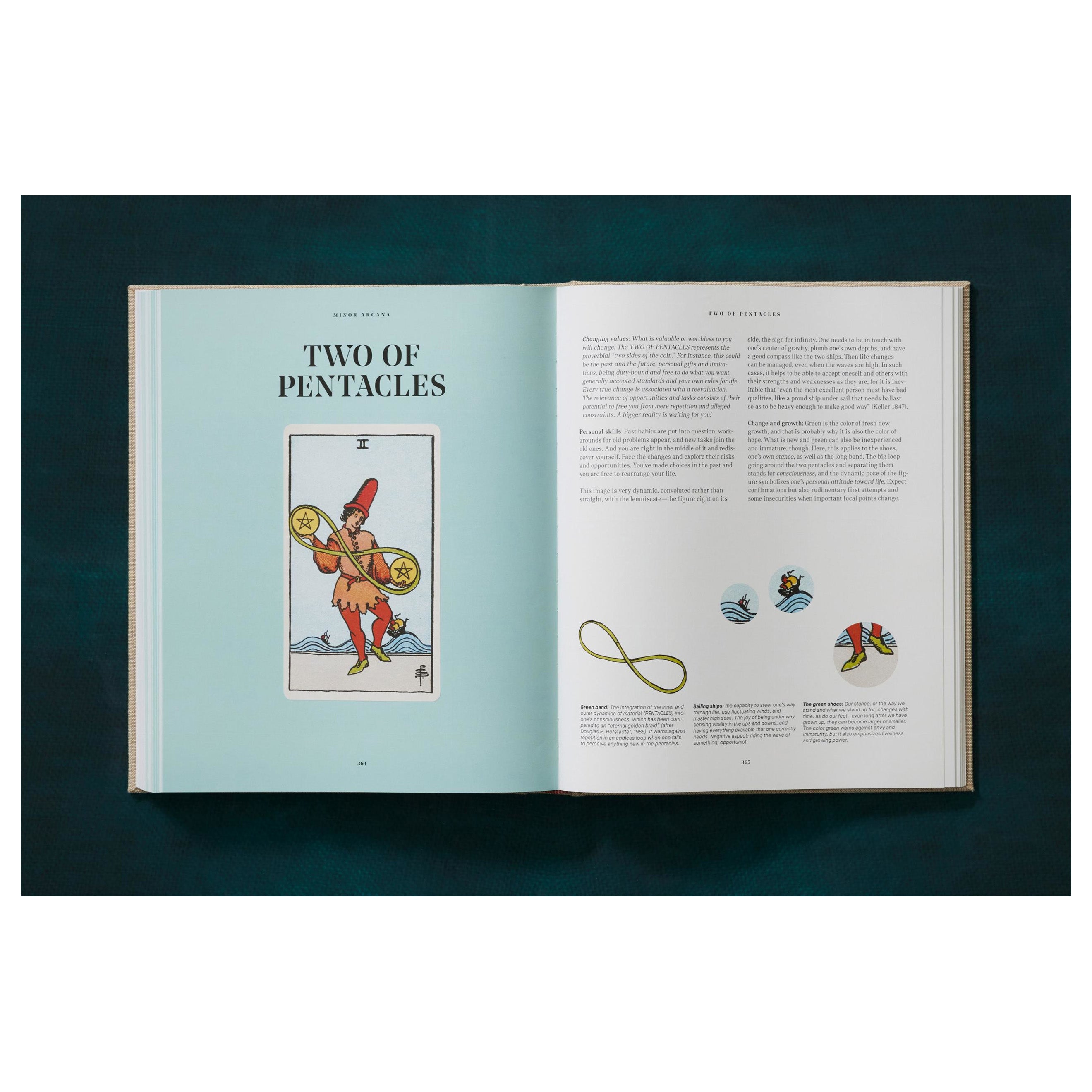
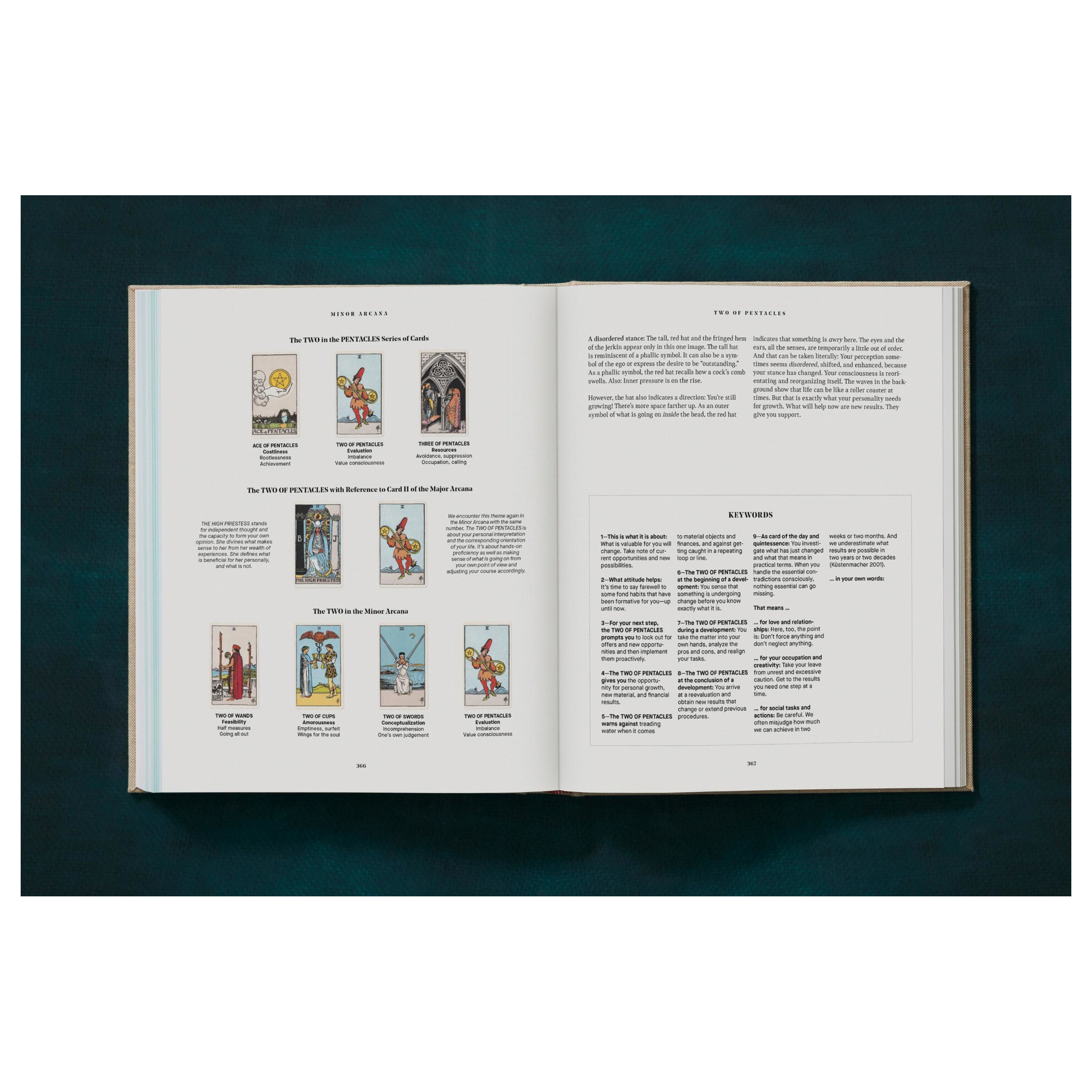
The valuable collector’s box includes a complete deck of the Waite Smith Tarot cards and Waite’s famous companion book The Key to the Tarot. In this illustrated book, with texts and images compiled by Johannes Fiebig, the Tarot cards become psychological mirrors and signposts leading toward new answers and personal solutions. The fact that this works well can be attributed to certain advantages inherent to the Waite-Smith cards, and these points are illuminated in an essay by Rachel Pollack.

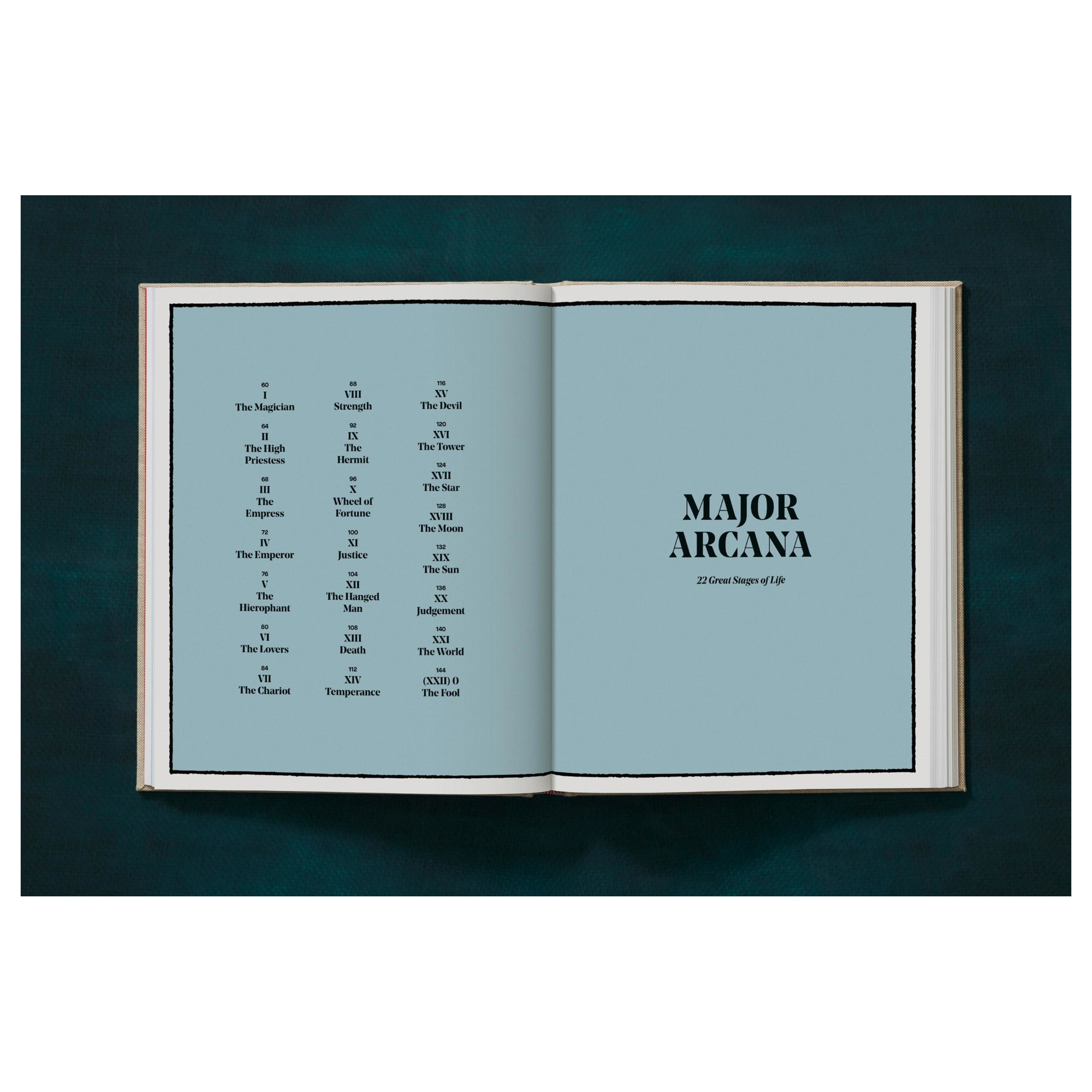
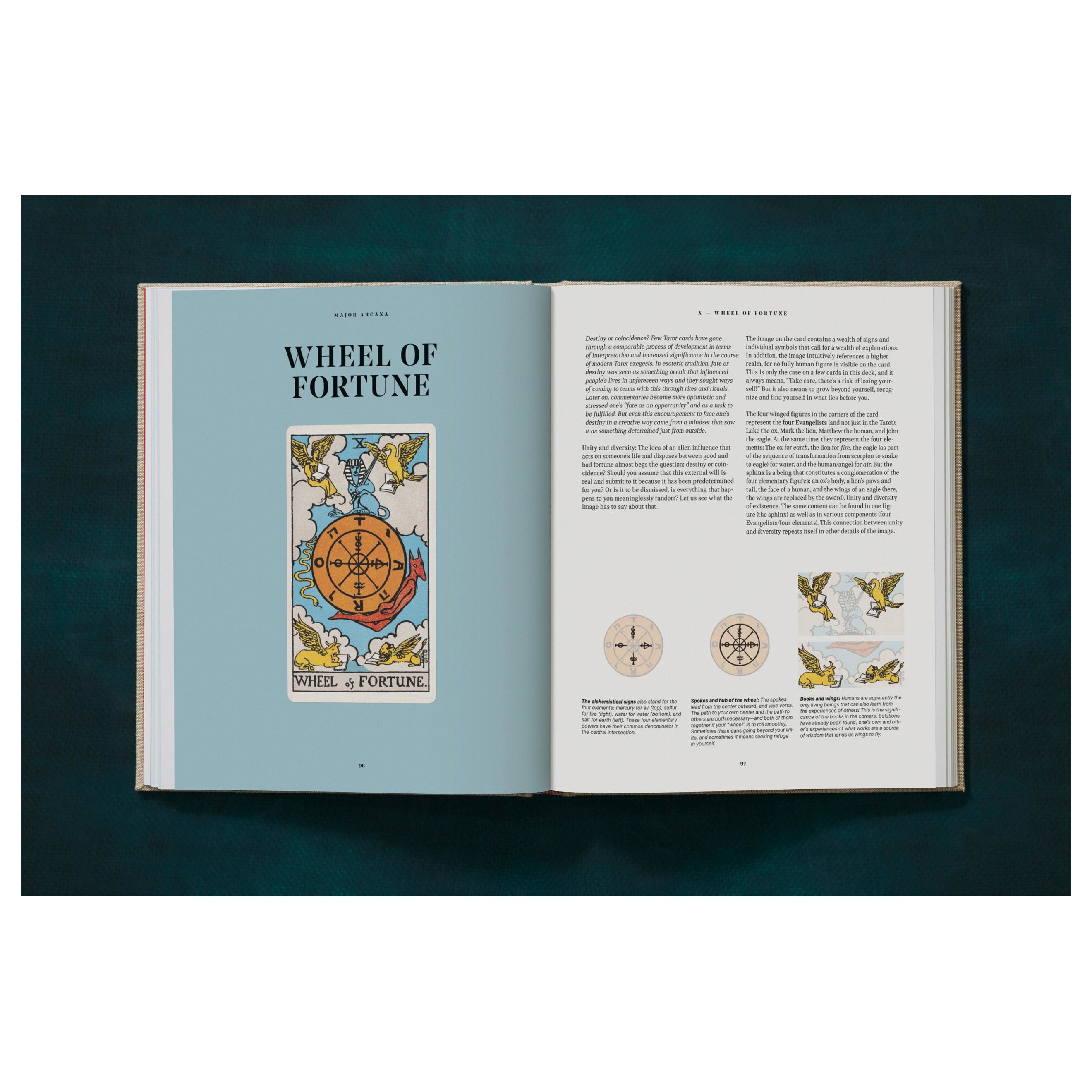
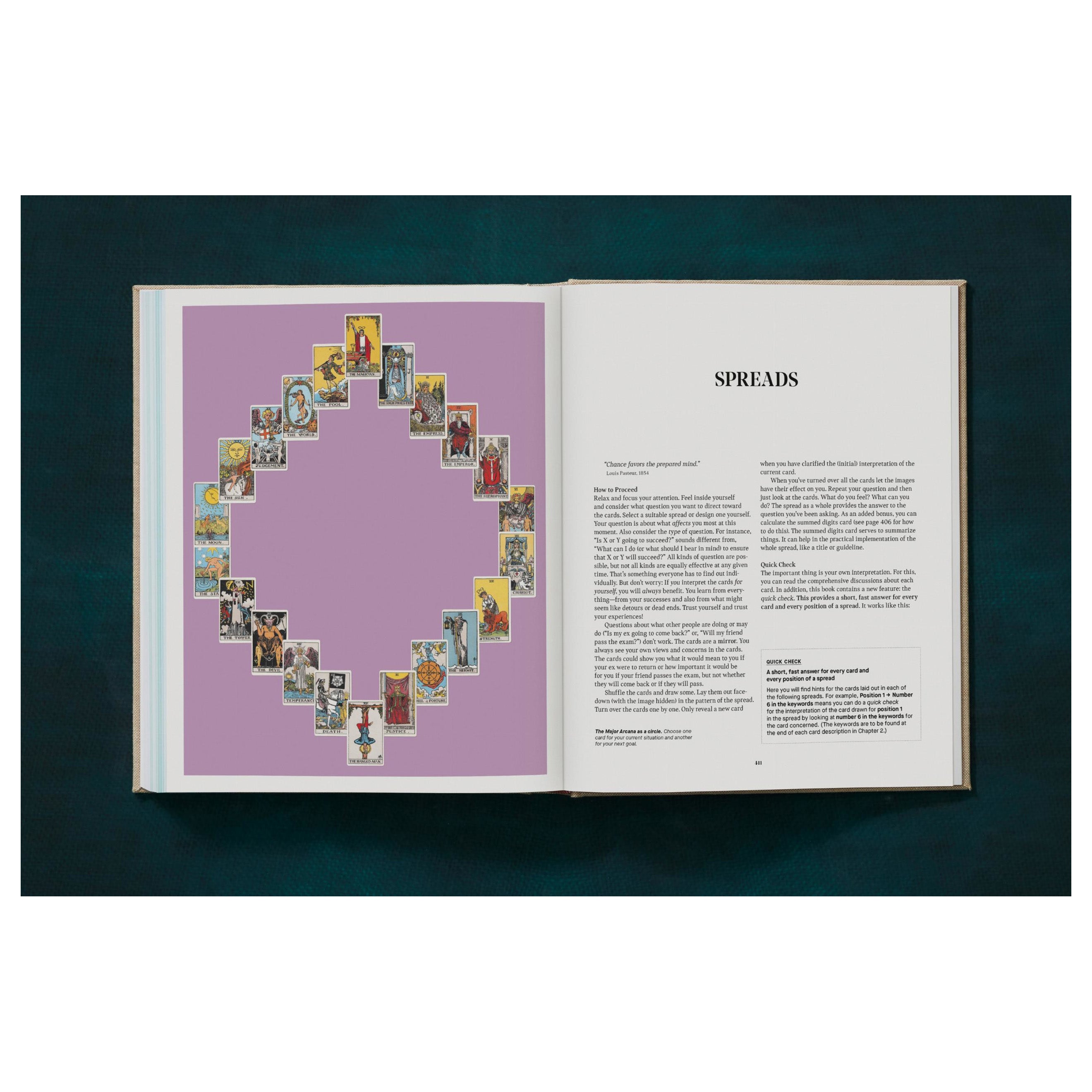
All 78 cards are presented individually and in detail. The explanatory texts provide several dimensions and levels of interpretation, including concrete practical tips. Further, the book offers a new feature: the quick check. This presents a concise hint regarding the meaning of each card in each possible position of all the spread patterns featured in the book.

When Arthur E. Waite and Pamela Colman Smith developed their Tarot deck in London in 1909, nobody could have predicted that it would have an overwhelming renaissance starting around 60 years later. What were the lives, works, and passions of these creators like? Pamela Colman Smith and Arthur E. Waite are brought vividly back to life in essays by Mary K. Greer and Robert A. Gilbert.